New Zealand Cocaine Use Remains Elevated, Wastewater Data Shows
Police wastewater testing estimated 6.8 kilograms of cocaine consumed weekly in sampled areas in the second quarter of 2026, below a late-2025 peak but well above 2019 levels.

 Trendy TodayEditorial Staff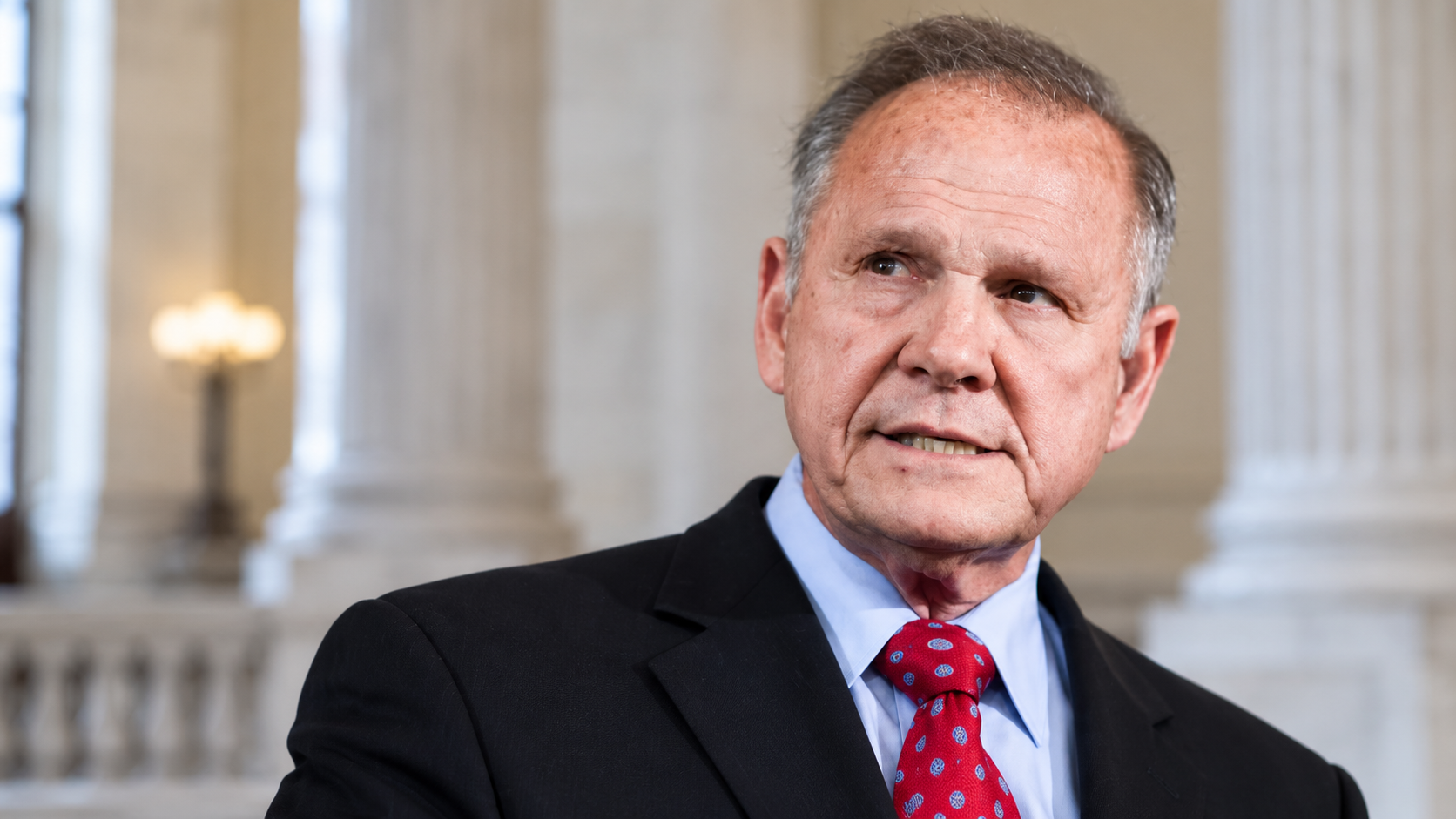
The U.S. Supreme Court on Monday declined to hear former Alabama Chief Justice Roy Moore’s appeal in a defamation case arising from a political advertisement during his 2017 U.S. Senate campaign.
The Court’s October 5 order lists Moore v. Senate Majority PAC, No. 26-122, among the petitions denied. The action leaves in place an April 2026 ruling by the 11th U.S. Circuit Court of Appeals that vacated an $8.2 million jury verdict Moore had won against the PAC.
A denial of review does not mean the Supreme Court endorsed the appeals court’s reasoning. The justices did not provide an explanation for declining the case.
The dispute traces back to Alabama’s 2017 special election for the U.S. Senate. Moore, the Republican nominee, sued Senate Majority PAC over a television advertisement aired during the campaign. The PAC funded Highway 31, which ran ads opposing Moore.
Moore argued that the ad placed statements from separate news reports next to one another in a way that falsely suggested he had solicited sex from a 14-year-old girl at a shopping mall. His lawyers said the combined presentation created a defamatory implication that did not appear in the underlying reports. Senate Majority PAC disputed the claim and defended the ad.
In 2022, a federal jury found in Moore’s favor on defamation and false-light invasion-of-privacy claims and awarded him $8.2 million in compensatory damages.
On April 24, 2026, the 11th Circuit concluded that the evidence did not satisfy the constitutional actual-malice standard that applies when a public figure sues for defamation. It vacated the verdict and directed the district court to enter judgment for Senate Majority PAC.
That standard generally requires clear and convincing proof that a defendant knew a statement was false or acted with reckless disregard for the truth. In a case alleging defamation by implication, the appeals court also examined whether there was sufficient evidence that the PAC intended to convey the allegedly defamatory meaning.
Moore sought Supreme Court review after the appeals ruling. The Court had separately rejected an emergency request in June to pause the appeals court’s decision while he pursued that appeal.
The immediate result is that Moore’s $8.2 million verdict will not be restored through this Supreme Court appeal. The appeals court’s judgment remains in place.
The case drew attention because it concerned political advertising and the high burden public figures face when bringing defamation claims. Its central question was whether the ad’s arrangement of individually sourced statements conveyed a false implication with the required state of mind.
The Supreme Court did not issue a written opinion on those broader questions. Its order resolves Moore’s petition for review, rather than creating a new Supreme Court ruling on political-advertising or defamation law.
Moore’s campaign was under national scrutiny after several women made allegations about his conduct when they were teenagers. Leigh Corfman said Moore inappropriately touched her in 1979 when she was 14 and he was 32. Moore denied that allegation and denied wrongdoing.
Moore lost the special election to Democrat Doug Jones. The later lawsuit focused more narrowly on the wording and presentation of the Senate Majority PAC-backed ad and whether the legal standard for liability had been met.

Police wastewater testing estimated 6.8 kilograms of cocaine consumed weekly in sampled areas in the second quarter of 2026, below a late-2025 peak but well above 2019 levels.

A High Court possession order followed the $800,000 mortgagee sale of a Blockhouse Bay property formerly owned by ex-Football Fern Kristy Hill, according to published reporting.

Goldman Sachs International co-CEO Anthony Gutman says lower fiscal deficits and more durable growth are needed to address elevated government borrowing costs.

Quebec voters are casting ballots in the October 5 provincial election. Polls are open until 8 p.m. local time, with preliminary results expected afterward.

Cenovus Energy has agreed to acquire Athabasca Oil in a deal with a C$5.7 billion implied enterprise value, adding about 45,000 barrels of oil equivalent per day if it closes.

Woolworths New Zealand has replaced its three-for-$20 meat and seafood promotion with a three-for-$24.99 offer featuring larger packs and more choices.

Reports suggest a possible Princess Diana memorial event could bring Prince William and Prince Harry together, but no reunion or event has been confirmed.

Alex Ovechkin has announced that the 2026-27 season will be the final NHL season of his historic Washington Capitals career.

CMA has revealed the lineup for its October 21 Dolly Parton tribute, featuring Reba McEntire, Carrie Underwood, Ella Langley, Lainey Wilson, Brad Paisley and more.

The Walking Dead: Dead City Season 4 has received an encouraging update from Scott M. Gimple, but AMC has yet to officially renew the Maggie and Negan spin-off.
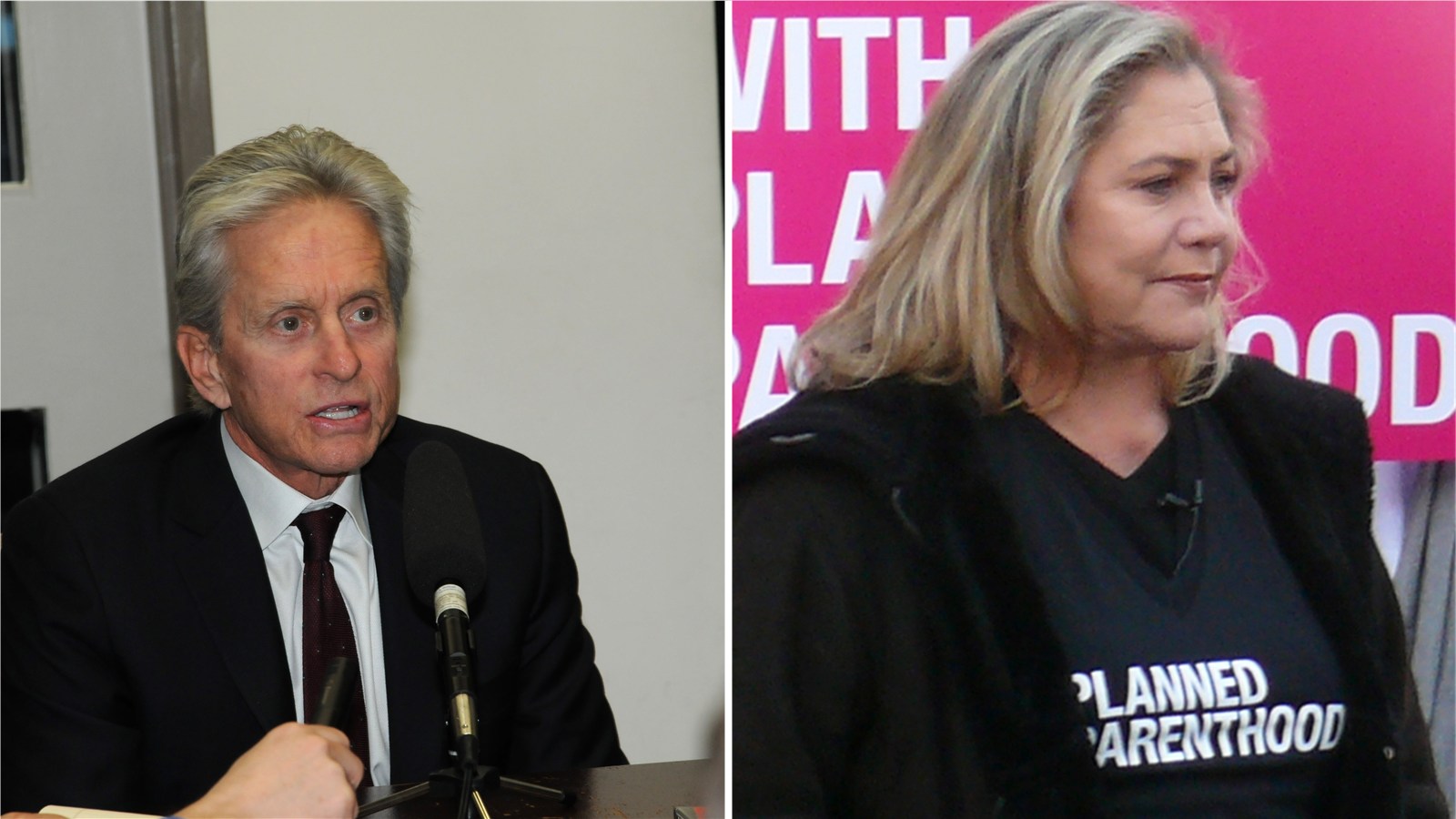
Michael Douglas says he and Kathleen Turner had a secret romance while filming Romancing the Stone and denied it publicly for 40 years.
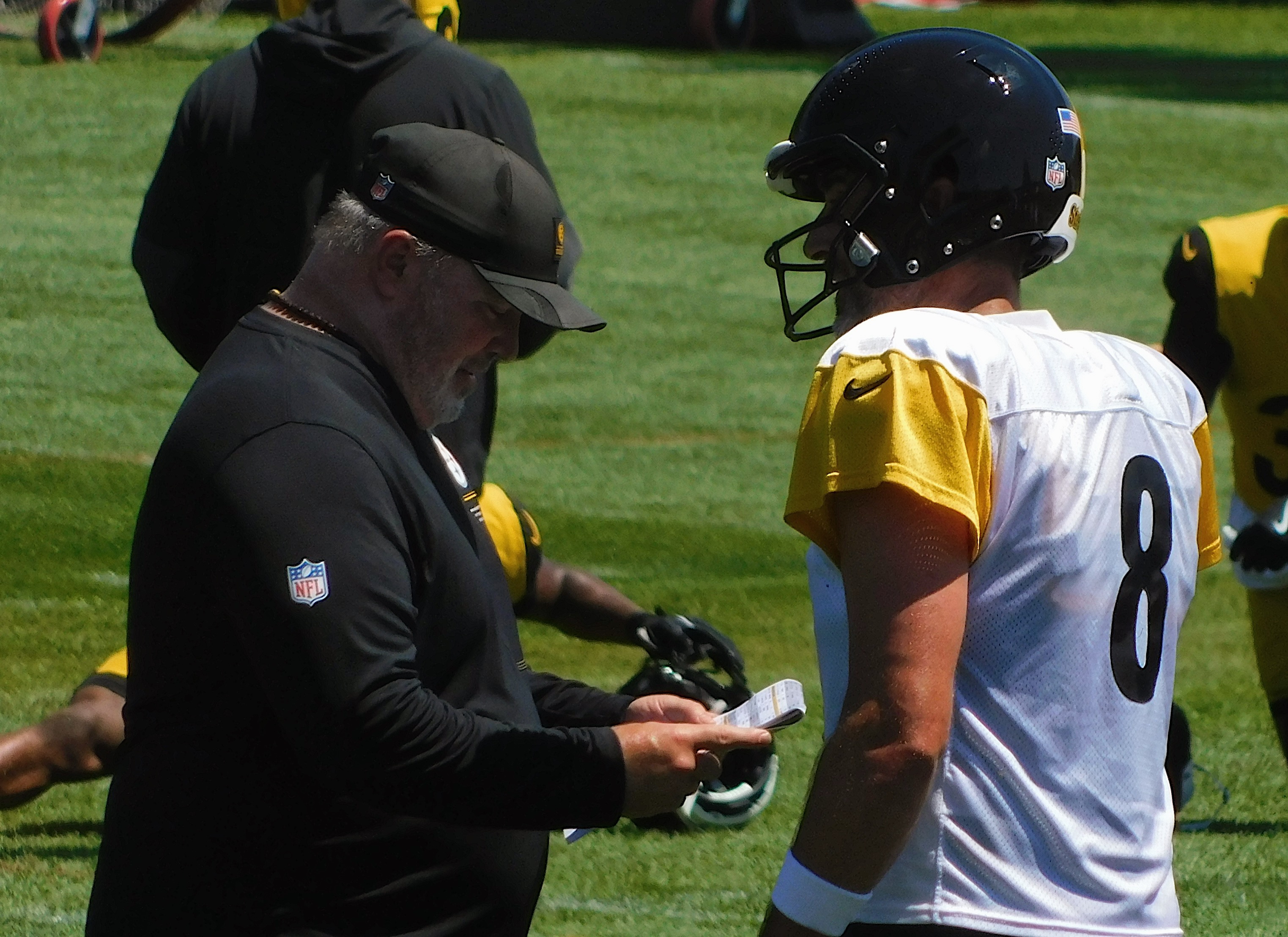
Mike McCarthy said he regretted his wording after a hot-mic exchange with Aaron Rodgers went viral during the Steelers' 27-24 loss to the Browns.

Kirsty Lay, the New Zealand model and Face of the Eighties winner, has died at 64. Her family confirmed the Sept. 28 death; service details are pending.
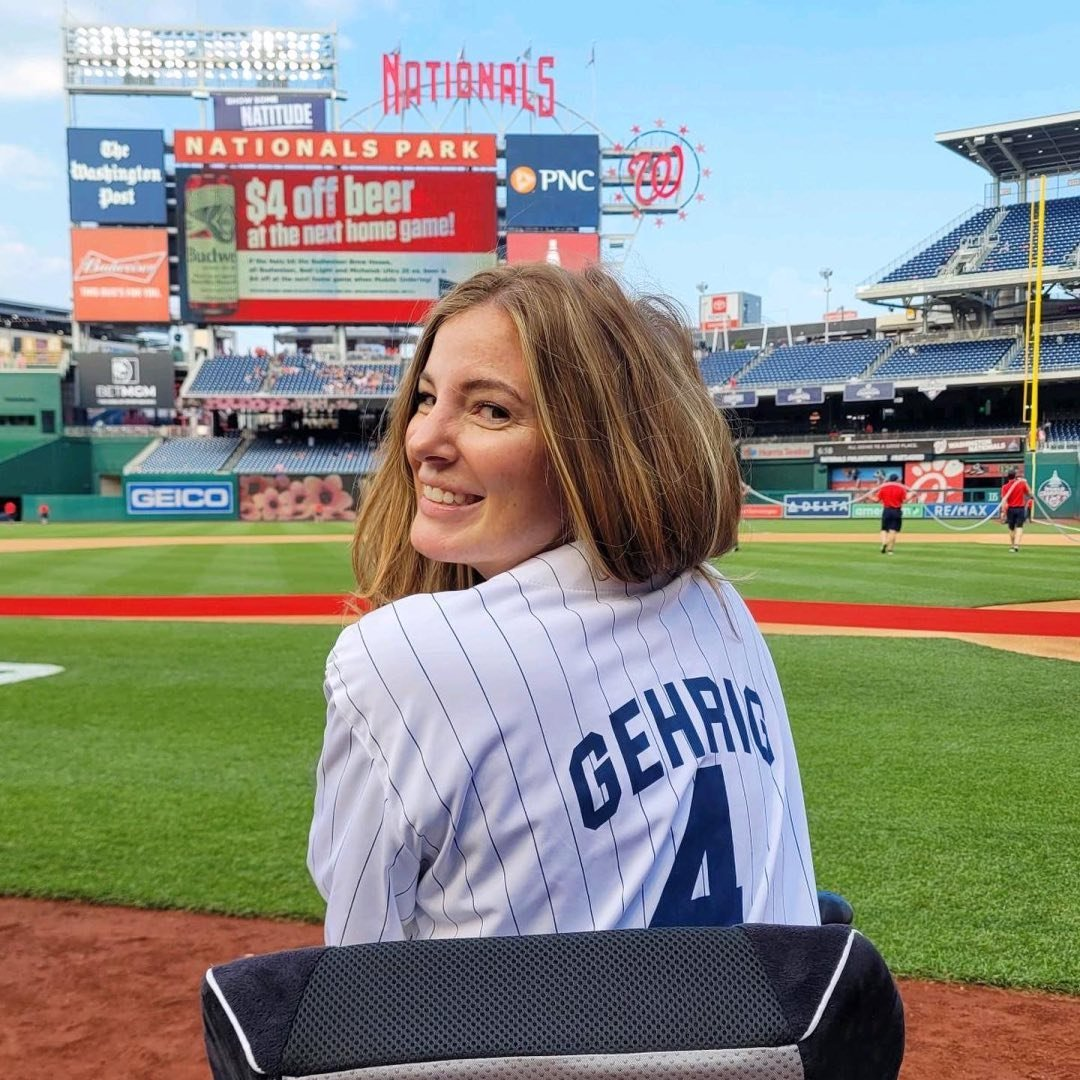
Brooke Eby, the ALS advocate behind @limpbroozkit, has died at 37. Her candid videos, fundraising, and ALStogether community reached millions.
Ken Urker died on his 34th birthday. Here is what is known about his death and why the reported cause remains unconfirmed.