What the Wastewater Results Show
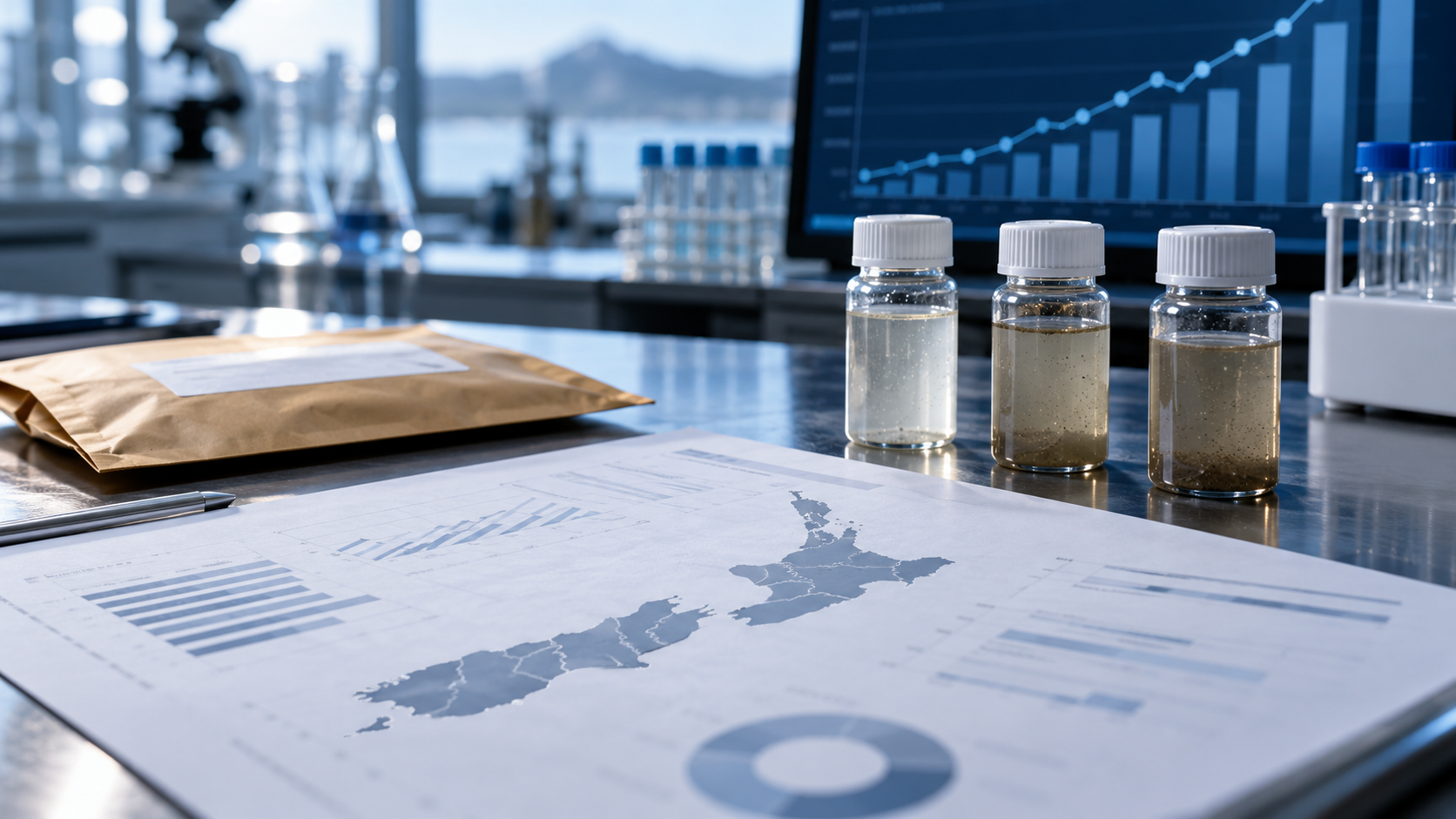
New Zealand Police reported an estimated 9.4 kilograms of cocaine consumed per week in the fourth quarter of 2025, 98% above the average of the preceding four quarters. Its second-quarter 2026 report put the weekly figure at 6.8 kilograms, showing a decline from that peak while consumption remained elevated.
Police's 2025 annual overview estimated at least 332 kilograms of cocaine consumed in the sampled areas during that year. The New Zealand Drug Foundation's historical series puts the weekly estimate at about 1 kilogram in 2019 and 4.1 kilograms in 2024. Comparisons over time describe estimated volume in monitored catchments; they do not establish how many individuals used the drug.
Survey Points to Easier Access
Massey University's 2025 New Zealand Drug Trends Survey also reported greater cocaine availability among its respondents. Of survey participants who used cocaine, 43% described it as easy to obtain, compared with 17% in the 2018-19 survey. The survey relies on a self-selected sample, so those percentages should not be read as population-wide rates.
The survey adds context to the wastewater trend, but the two sources answer different questions. Wastewater testing estimates total consumption in covered areas, while the survey records experiences and behaviour reported by participating people.
Drug Checking Adds Another Signal
KnowYourStuffNZ said it tested 4,119 samples at 189 events in its 2025-26 reporting period. About 10% of substances presented for checking were presumed to be cocaine. Those samples reflect people who chose to use the service, not a representative cross-section of drug use nationwide.
Taken together, the sources show a larger and more visible cocaine market than in earlier years, while leaving important questions about the number of users, regional differences and future direction open.