New Zealand Cocaine Use Remains Elevated, Wastewater Data Shows
Police wastewater testing estimated 6.8 kilograms of cocaine consumed weekly in sampled areas in the second quarter of 2026, below a late-2025 peak but well above 2019 levels.

 Trendy TodayEditorial Staff
Goldman Sachs International co-CEO Anthony Gutman said governments need lower fiscal deficits and more durable economic growth to ease pressure from elevated borrowing costs.
Speaking to CNBC’s Squawk Box Europe on October 5, Gutman described rising government bond yields as a challenge across Western economies and called for a more stable policy environment. His comments are an assessment of fiscal and market conditions, not a forecast that yields will fall immediately.
Gutman argued that governments face difficult trade-offs as energy costs, labor-market conditions and fiscal pressures interact. In his view, lower spending and stronger long-term growth would provide a more comfortable backdrop for businesses and bond markets.
Large deficits generally require governments to issue more debt. Investors may demand higher yields to absorb that borrowing, although yields also move with inflation expectations, central-bank policy, economic growth and other forces.
In a September Goldman Sachs Exchanges analysis, the firm said government bond yields had climbed to multi-decade highs across the United States, United Kingdom, Germany and Japan. Goldman Sachs Research cited fiscal deficits, borrowing for artificial-intelligence investment, resilient growth and an energy-price shock among the contributing forces.
That analysis presents higher yields as the result of several pressures rather than a single cause. Gutman’s comments put particular emphasis on governments’ fiscal choices and the need for lasting growth.
Higher government bond yields can raise debt-servicing costs and feed into financing rates for businesses and households. They can also change how investors value stocks and other assets.
Whether fiscal policy changes enough to relieve that pressure remains uncertain. Gutman’s central message was that lower deficits and stronger growth would make elevated borrowing costs easier to manage.

Police wastewater testing estimated 6.8 kilograms of cocaine consumed weekly in sampled areas in the second quarter of 2026, below a late-2025 peak but well above 2019 levels.

A High Court possession order followed the $800,000 mortgagee sale of a Blockhouse Bay property formerly owned by ex-Football Fern Kristy Hill, according to published reporting.

Quebec voters are casting ballots in the October 5 provincial election. Polls are open until 8 p.m. local time, with preliminary results expected afterward.

Cenovus Energy has agreed to acquire Athabasca Oil in a deal with a C$5.7 billion implied enterprise value, adding about 45,000 barrels of oil equivalent per day if it closes.

Woolworths New Zealand has replaced its three-for-$20 meat and seafood promotion with a three-for-$24.99 offer featuring larger packs and more choices.

Reports suggest a possible Princess Diana memorial event could bring Prince William and Prince Harry together, but no reunion or event has been confirmed.

Alex Ovechkin has announced that the 2026-27 season will be the final NHL season of his historic Washington Capitals career.

CMA has revealed the lineup for its October 21 Dolly Parton tribute, featuring Reba McEntire, Carrie Underwood, Ella Langley, Lainey Wilson, Brad Paisley and more.
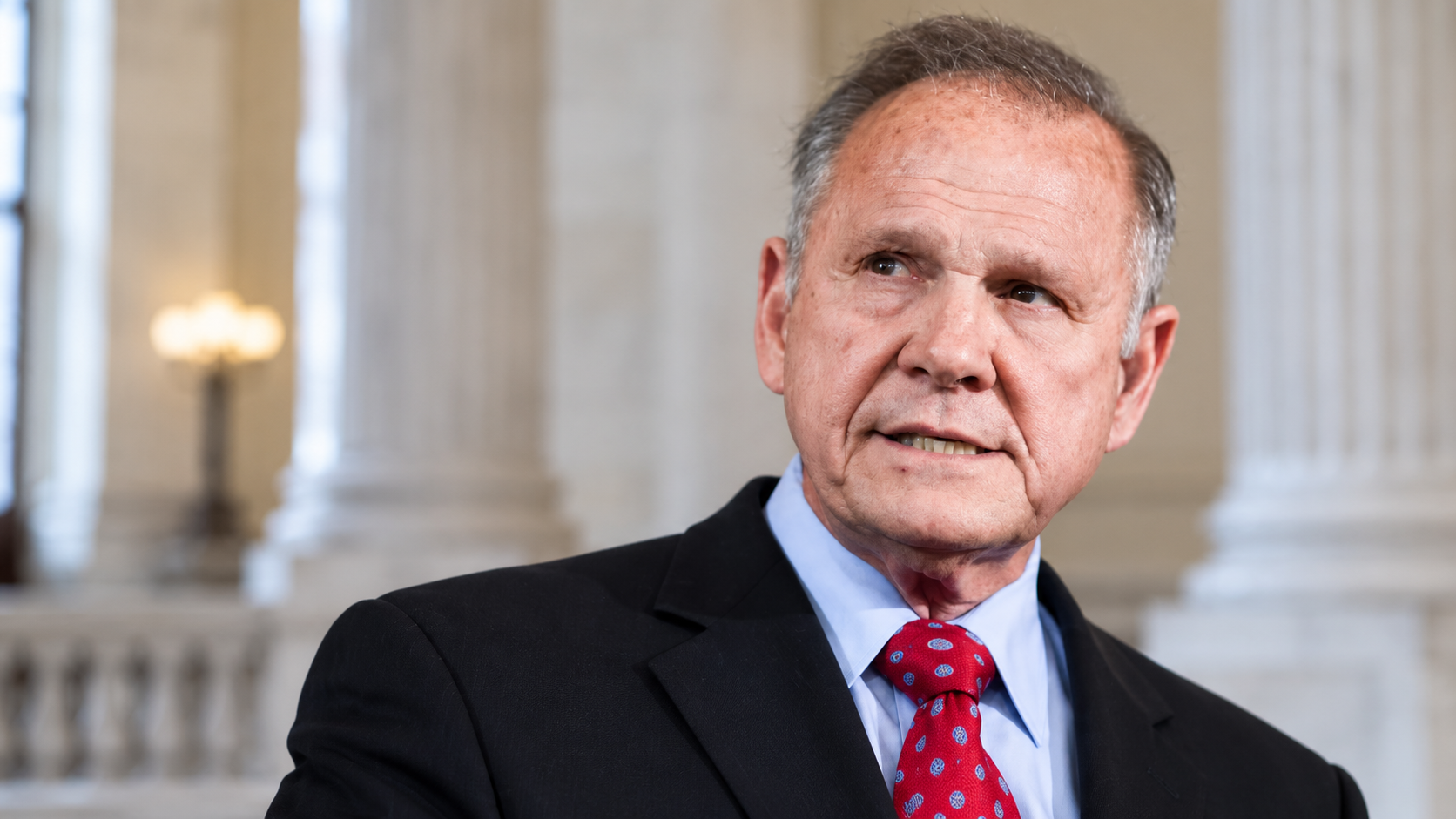
The Supreme Court declined to hear Roy Moore’s appeal seeking to restore an $8.2 million defamation verdict over a 2017 Alabama Senate campaign ad.

The Walking Dead: Dead City Season 4 has received an encouraging update from Scott M. Gimple, but AMC has yet to officially renew the Maggie and Negan spin-off.
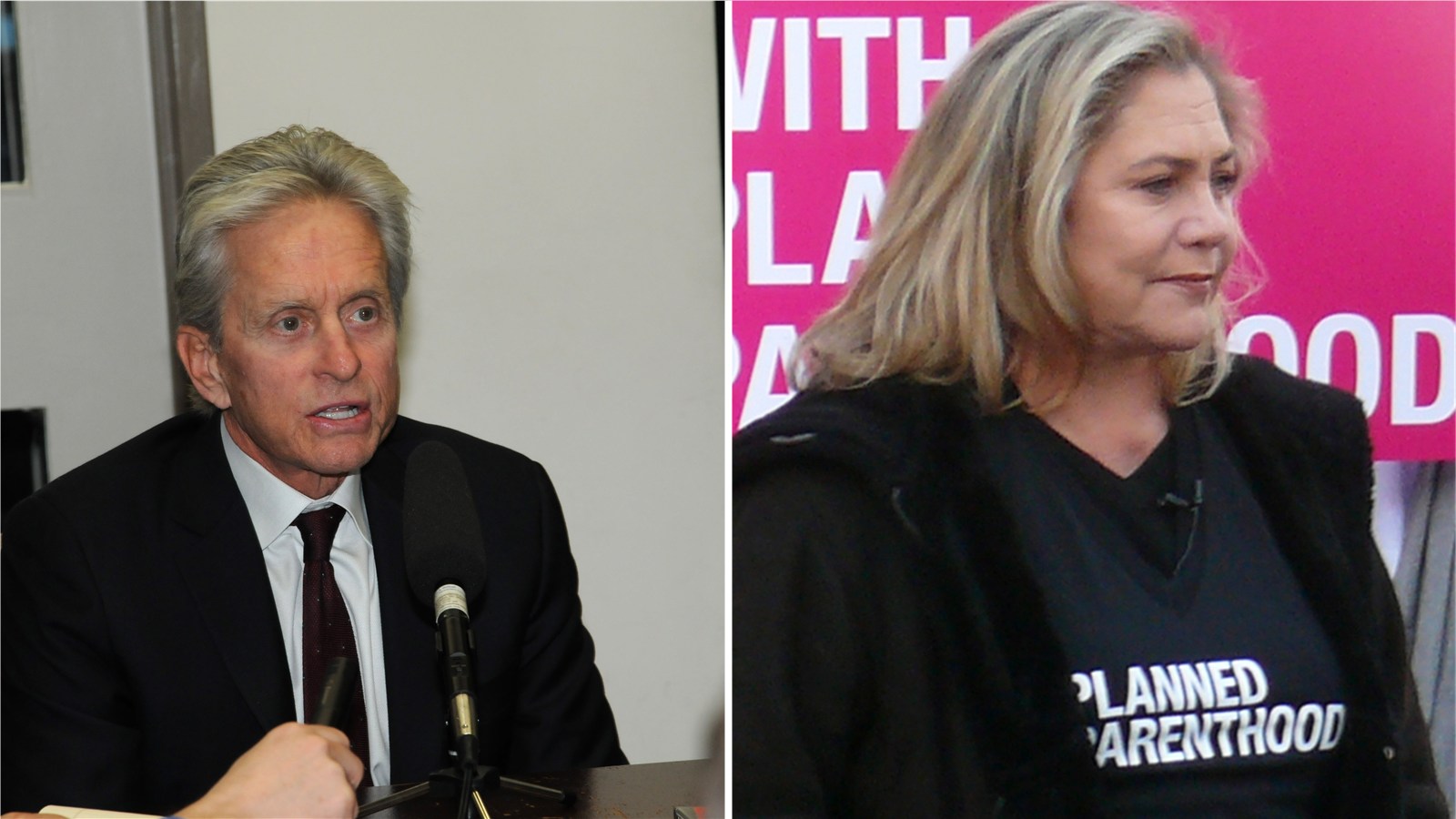
Michael Douglas says he and Kathleen Turner had a secret romance while filming Romancing the Stone and denied it publicly for 40 years.

Mike McCarthy said he regretted his wording after a hot-mic exchange with Aaron Rodgers went viral during the Steelers' 27-24 loss to the Browns.

Kirsty Lay, the New Zealand model and Face of the Eighties winner, has died at 64. Her family confirmed the Sept. 28 death; service details are pending.

Brooke Eby, the ALS advocate behind @limpbroozkit, has died at 37. Her candid videos, fundraising, and ALStogether community reached millions.

Ken Urker died on his 34th birthday. Here is what is known about his death and why the reported cause remains unconfirmed.